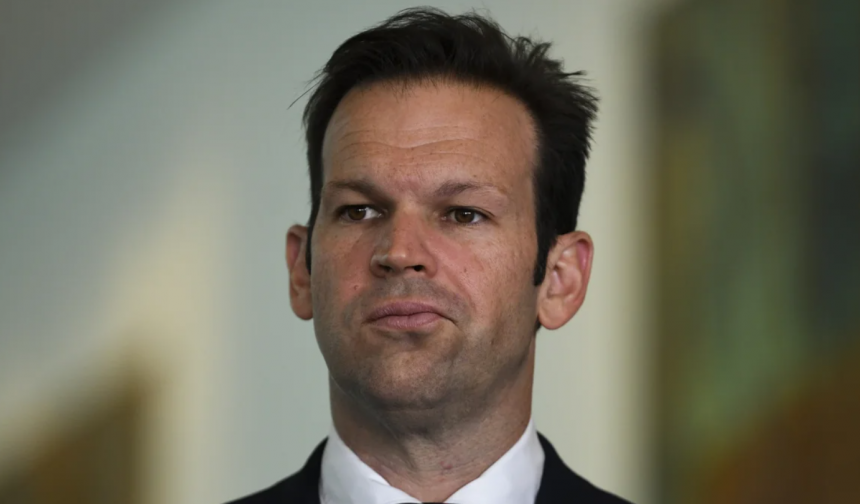
Matt Canavan has emerged as a prominent figure in Australian politics, particularly within debates surrounding energy policy, resource management, and regional economic development. As a member of the National Party, Canavan’s political identity is closely tied to advocacy for rural and regional communities, often positioning him at the center of contentious policy discussions.
Born in Queensland, Canavan’s academic background in economics has informed his approach to public policy. Before entering federal politics, he worked in various roles related to economic analysis and public administration, gaining experience in both state and federal government contexts. This foundation has contributed to his emphasis on pragmatic, economically driven policy arguments.
Canavan first entered the Australian Senate in 2014 and quickly became known for his outspoken views on energy and industry. Serving as Minister for Resources and Northern Australia, he played a key role in shaping policies related to mining, infrastructure, and regional investment. His tenure was marked by strong support for Australia’s coal industry, which he has consistently framed as essential to economic stability and employment in regional areas.
One of Canavan’s defining political positions is his skepticism toward rapid transitions to renewable energy without sufficient consideration of economic and social impacts. He has argued that policy decisions should balance environmental objectives with the need to protect jobs and ensure energy affordability. This stance has often placed him in opposition to more aggressive climate policies, both within Australia and internationally.
Canavan’s rhetoric frequently emphasizes economic nationalism, advocating for policies that prioritize domestic industries and reduce reliance on foreign supply chains. This perspective resonates strongly with constituents in resource-dependent regions, where economic shifts can have immediate and significant consequences.
However, his positions have also attracted criticism. Opponents argue that his approach underestimates the urgency of climate change and risks delaying necessary transitions to sustainable energy systems. This tension reflects a broader global debate between economic continuity and environmental responsibility.
Beyond energy policy, Canavan has been involved in discussions on infrastructure development, agricultural policy, and regional investment. His focus on decentralization and regional empowerment aligns with the National Party’s broader mission, though it also highlights ongoing challenges in balancing urban and rural priorities within national policy frameworks.
Canavan’s political style is characterized by direct communication and a willingness to engage in public debate. He often adopts a confrontational approach, particularly on issues where he perceives a disconnect between policy elites and regional communities. This has contributed to his visibility within Australian politics, as well as his reputation as a polarizing figure.
In the context of Australia’s evolving economic landscape, Canavan represents a perspective rooted in traditional industries and regional advocacy. His influence reflects the enduring importance of resource sectors within the national economy, as well as the complexities of navigating transition in a rapidly changing global environment.