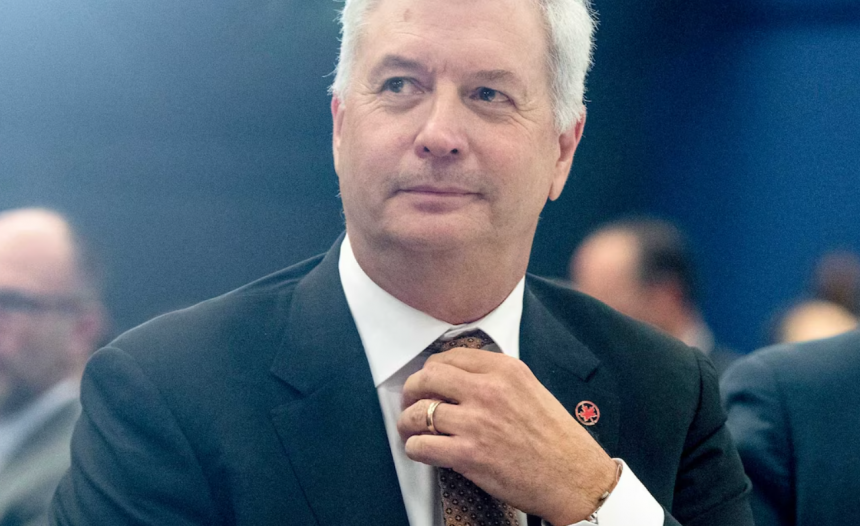
Michael Rousseau, President and Chief Executive Officer of Air Canada, represents a model of strategic leadership in an industry characterized by volatility, complexity, and rapid change. His tenure has been marked by decisive action, operational resilience, and a forward-looking approach to one of the most challenging periods in aviation history.
Rousseau’s background in finance provided a strong foundation for his leadership role. Before becoming CEO, he served as Deputy Chief Executive Officer and Chief Financial Officer of Air Canada, where he played a key role in strengthening the company’s financial position. His expertise in cost management, capital allocation, and long-term planning proved instrumental in preparing the organization for unforeseen disruptions.
The onset of the COVID-19 pandemic presented an unprecedented challenge to the global aviation sector. Under Rousseau’s leadership, Air Canada implemented a series of strategic measures aimed at preserving liquidity and ensuring operational continuity. These included restructuring initiatives, workforce adjustments, and the expansion of cargo operations to offset declines in passenger travel.
What sets Rousseau apart is his ability to balance short-term crisis management with long-term strategic vision. While addressing immediate financial pressures, he has also focused on positioning Air Canada for future growth. Investments in fleet modernization, digital transformation, and sustainability initiatives reflect a commitment to innovation and environmental responsibility.
Rousseau has also emphasized the importance of organizational culture and stakeholder engagement. Navigating a crisis of such magnitude required not only financial acumen but also effective communication with employees, customers, and investors. His leadership style—characterized by transparency and pragmatism—has been a key factor in maintaining confidence during periods of uncertainty.
Additionally, Rousseau’s tenure highlights the evolving role of airline executives. Beyond operational oversight, modern leadership in aviation demands adaptability, technological awareness, and a global perspective. Rousseau’s approach demonstrates how these elements can be integrated to drive both stability and growth.
As the aviation industry continues to recover and adapt to new realities, Rousseau’s leadership offers valuable insights into resilience and strategic execution. His ability to navigate complexity while maintaining a clear vision underscores the critical role of leadership in shaping the future of global transportation.